
Monitoring, crisis, reputation: how to exploit AI?
A corporate communications and reputation expert, in an increasingly digitised and interconnected environment, must embrace artificial intelligence (AI) as an essential tool to refine their strategies and gain a competitive advantage. AI, if properly integrated, can revolutionise the way a company manages its image and interacts with the public, leading to a more analytical, timely and personalised approach. Here’s how Consilium exploits it:

1.Real-time monitoring and analysis:
One of the main areas where AI proves useful in corporate reputation management is in monitoring online conversations. Social media, forums, reviews and news are now the places where a brand’s reputation is built and destroyed. Using advanced AI tools, such as sentiment analysis and social listening, it is possible to track in real time what is being said about the company or its products/services. These tools can automatically analyse huge volumes of data, identifying trends, positive or negative opinions, and signalling possible crises in the early stages.
Predictive analysis, thanks to machine learning algorithms, also makes it possible to identify potential threats to reputation before they become problems. For example, if recurring negative discussions on a specific topic are detected, the company can intervene promptly with a targeted response or corrective action, preventing a small problem from turning into an image crisis.
2. Crisis response and proactive management:
In a digital environment where information travels at an impressive speed, the ability to respond in a timely manner is crucial to protect a company’s reputation. Artificial intelligence can facilitate rapid and effective crisis management. In addition to monitoring conversation flows, AI can be used to generate automatic and appropriate responses in real time, both on social channels and in online reviews.
In addition, simulating scenarios using predictive algorithms makes it possible to prepare for different eventualities by creating communication plans in response to potential crises. For example, if the AI detects growing discontent among consumers about a particular product, an automatic response can be prepared that reassures customers and proposes solutions. In parallel, data analysis makes it possible to monitor the effectiveness of corporate responses, continuously improving crisis management strategies
3. Personalising content and improving engagement:
Artificial intelligence is not only a tool for monitoring and crisis management, but can also be used to personalise content and improve customer interaction. In fact, AI algorithms make it possible to create tailor-made experiences for different audience segments, improving engagement. By analysing users‘ online behaviour, AI is able to suggest relevant content, personalised recommendations and even anticipate consumers’ needs.
In the context of corporate communication, AI can support the creation of targeted messages that better resonate with audiences, increasing their loyalty. For example, an email marketing campaign can be optimised thanks to AI, which automatically selects and sends personalised messages based on the interests and preferences of each recipient. This approach improves brand perception, making communication closer and more relevant to specific customer needs.
4. Automation of communication processes:
Artificial intelligence is also a powerful ally in the automation of repetitive tasks and daily operations in the field of business communication. With the use of AI-based software, many routine tasks such as content management, social media updates or regular reporting can be automated. This frees the communications team from repetitive tasks, allowing them to focus on strategic, high value-added activities.
For example, AI can be used to automatically generate reputation monitoring reports, analysing the collected data and providing clear and easily interpretable summaries. This saves time and allows for more informed decision-making. Furthermore, the AI algorithm can suggest improvements in communication strategies, based on performance data, audience interactions and emerging trends.
5. Advanced analysis and reporting:
Another way in which a business communication expert can benefit from AI is through advanced data analysis. AI platforms can collect, organise and analyse huge amounts of data from different sources: social media, customer feedback, news articles, reviews, and so on. This analysis provides in-depth insight into how the audience perceives the company, identifying areas for improvement and opportunities for growth.
In summary, a corporate communications and reputation expert should embrace artificial intelligence as a tool to improve the effectiveness and efficiency of their operations. AI makes it possible to monitor reputation in real time, respond quickly to crises, personalise communication, automate processes and gather useful insights to refine strategies. When used correctly, AI not only improves corporate reputation management, but also allows you to build a deeper, more authentic and targeted relationship with your customers.
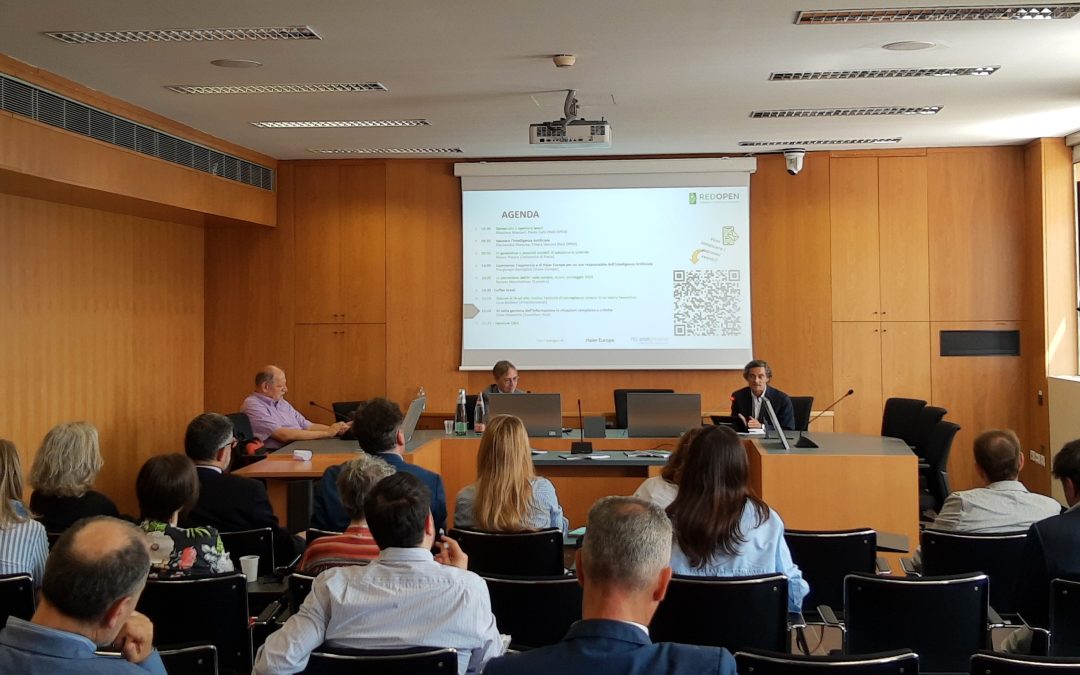
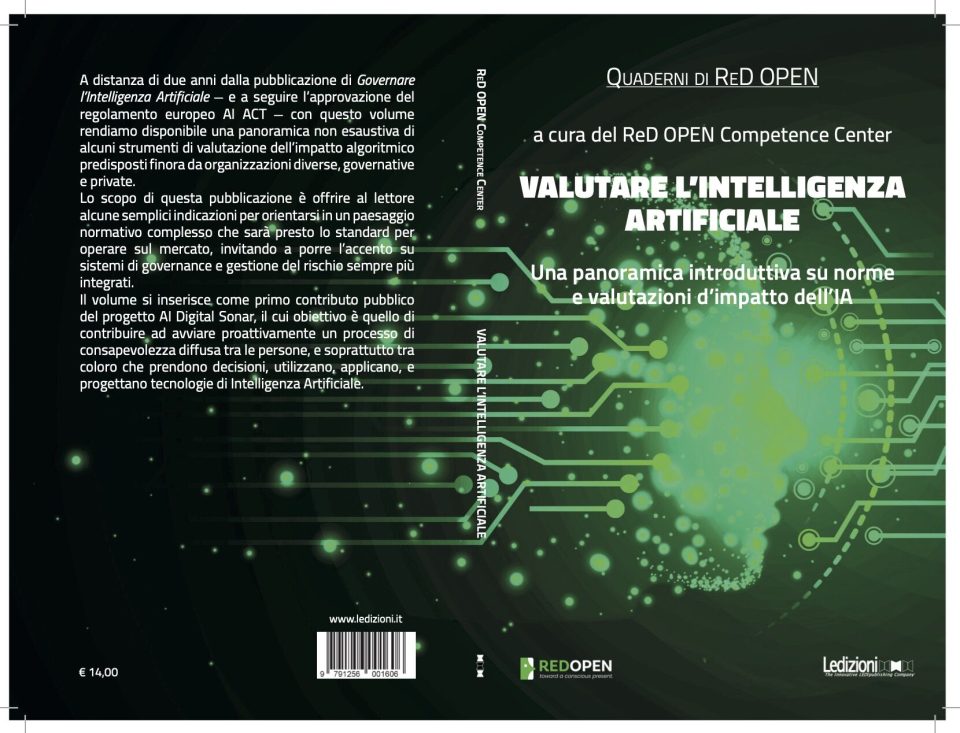
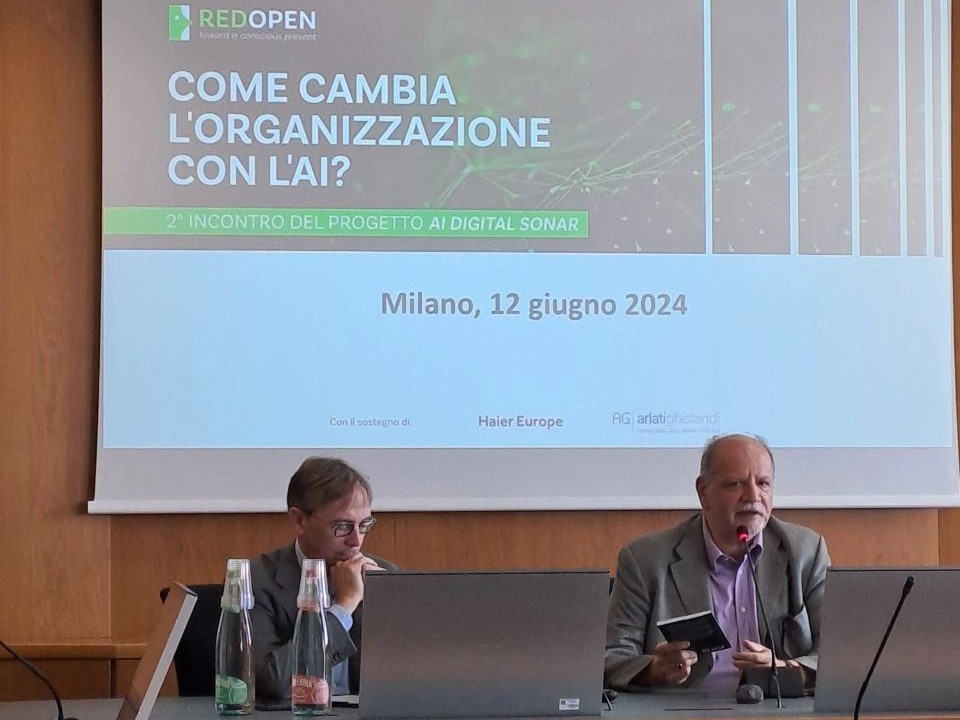
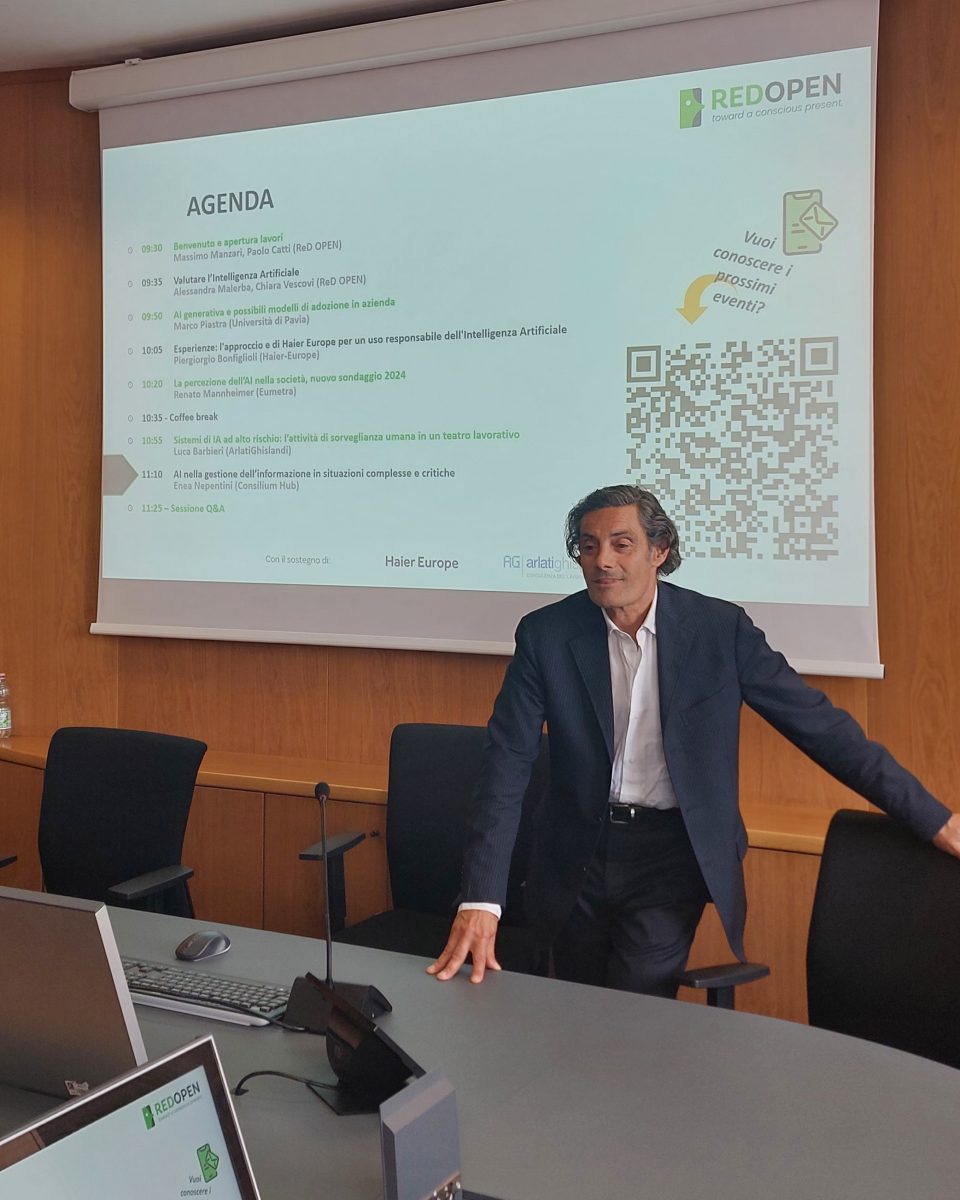
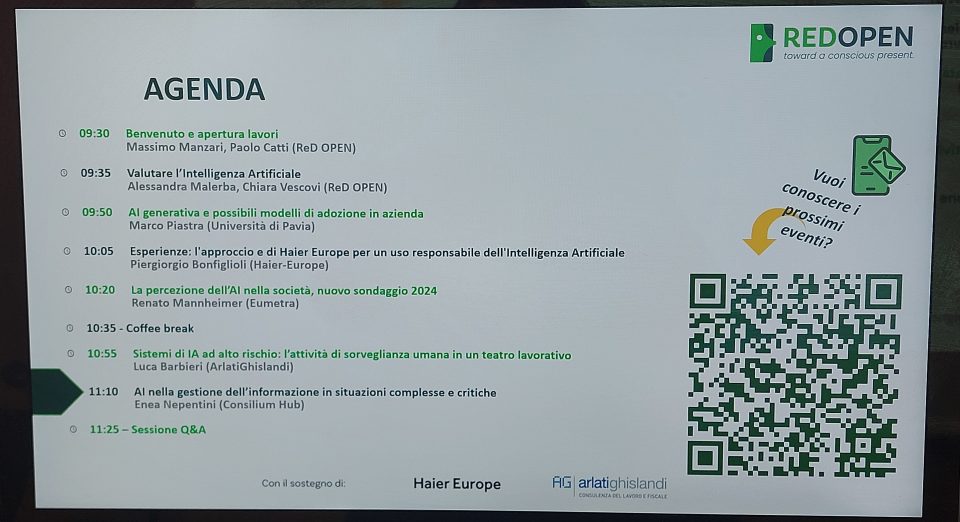
Consilium Comunicazione takes care of its growth in these areas in collaboration with ReD OPEN, a spin-off of the Università degli Studi Milano Bicocca registered as an innovative start-up, which has been supporting since its inception – in 2019 – the dissemination in corporate and non-corporate organisations of a conscious, responsible and assessable approach to the social and ethical impact of digital transformation and Artificial Intelligence. By means of tools such as AI Check & Go™ and Privacy Check & Go, ReD OPEN implements an innovative technological transfer of legal and regulatory issues to enable companies to consolidate their corporate governance with the digital responsibility component, which is measurable and also useful for sustainability budgets. More information on https://www.redopen.it/prodotti/