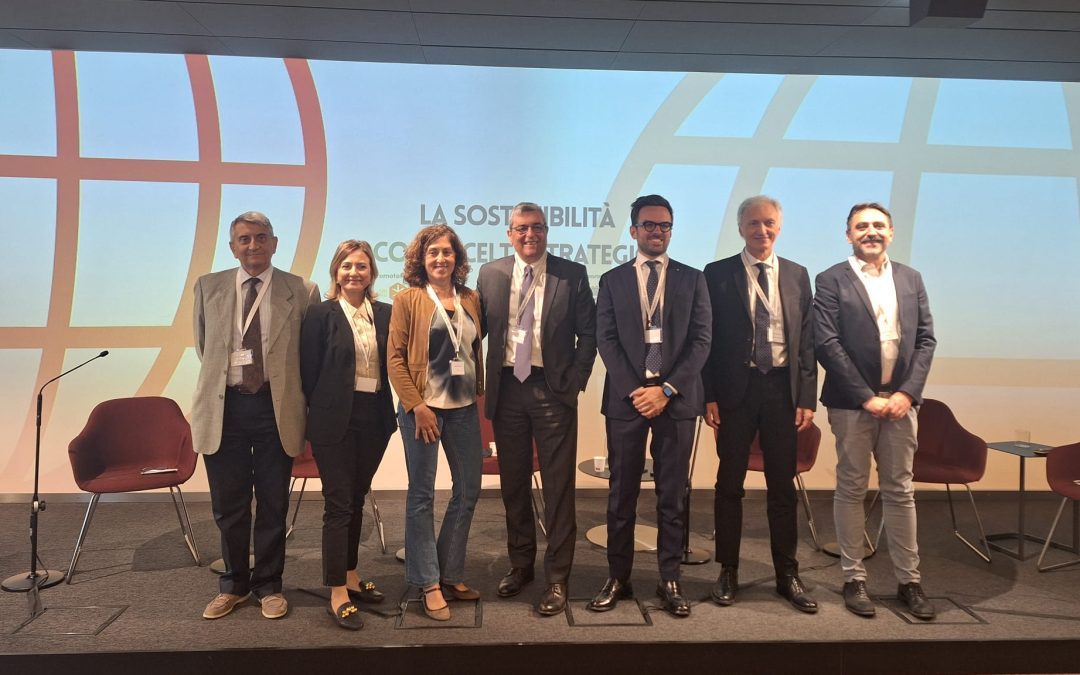
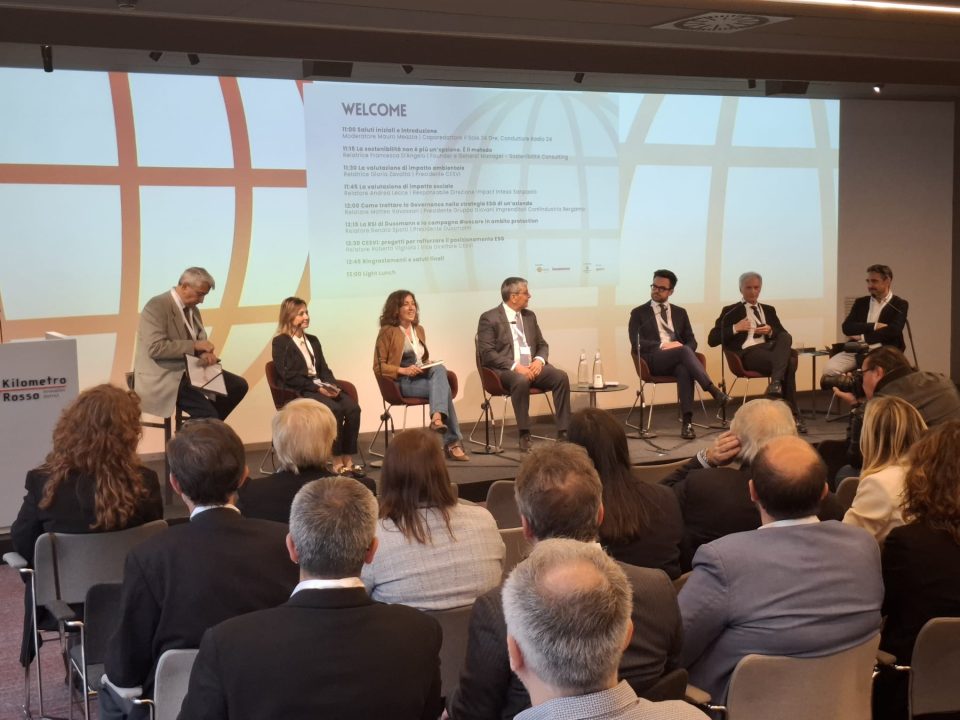
The launch event for the “#wecare-protection” project, promoted by Dussmann Italy in collaboration with the CESVI Foundation and under the patronage of Confindustria Bergamo, was held a few days ago at the Kilometro Rosso in Bergamo. It was a day of dialogue and discussion on the future of corporate social responsibility, which brought together experts and representatives of the corporate world around a common theme: making sustainability a concrete and integrated approach in the life of companies.
The project will accompany CESVI on its 40th anniversary with a series of solidarity initiatives in favour of minors and families in difficulty, including support for the Case del Sorriso (Smile Houses) in Naples and Bari and participation in the ‘Le Fabbriche del Sorriso’ (Smile Factories) exhibition. An initiative that will also actively involve the 26,000 employees of Dussmann Italy in collective solidarity actions.
Leader in the facility management sector and active in strategic sectors such as collective catering, sanitation, security, maintenance and personal services, Dussmann Italy confirms, with this project, its vocation to take care of places and people in a responsible and coherent way.
We at Consilium supported Dussmann in the management of media relations for the event, handling the drafting and distribution of the press release, facilitating dialogue with journalists and attending the inauguration to enhance the positioning of our client, one of the main players in facility management in Italy, whose commitment to sustainability is an integral part of its identity: suffice it to think that it has obtained the Platinum medal from EcoVadis, an award that places the company among the 1% of the most virtuous companies globally for environmental, social and governance performance.
A corporate communications and reputation expert, in an increasingly digitised and interconnected environment, must embrace artificial intelligence (AI) as an essential tool to refine their strategies and gain a competitive advantage. AI, if properly integrated, can revolutionise the way a company manages its image and interacts with the public, leading to a more analytical, timely and personalised approach. Here’s how Consilium exploits it:
1.Real-time monitoring and analysis:
One of the main areas where AI proves useful in corporate reputation management is in monitoring online conversations. Social media, forums, reviews and news are now the places where a brand’s reputation is built and destroyed. Using advanced AI tools, such as sentiment analysis and social listening, it is possible to track in real time what is being said about the company or its products/services. These tools can automatically analyse huge volumes of data, identifying trends, positive or negative opinions, and signalling possible crises in the early stages. Predictive analysis, thanks to machine learning algorithms, also makes it possible to identify potential threats to reputation before they become problems. For example, if recurring negative discussions on a specific topic are detected, the company can intervene promptly with a targeted response or corrective action, preventing a small problem from turning into an image crisis.
2. Crisis response and proactive management:
In a digital environment where information travels at an impressive speed, the ability to respond in a timely manner is crucial to protect a company’s reputation. Artificial intelligence can facilitate rapid and effective crisis management. In addition to monitoring conversation flows, AI can be used to generate automatic and appropriate responses in real time, both on social channels and in online reviews. In addition, simulating scenarios using predictive algorithms makes it possible to prepare for different eventualities by creating communication plans in response to potential crises. For example, if the AI detects growing discontent among consumers about a particular product, an automatic response can be prepared that reassures customers and proposes solutions. In parallel, data analysis makes it possible to monitor the effectiveness of corporate responses, continuously improving crisis management strategies
3. Personalising content and improving engagement:
Artificial intelligence is not only a tool for monitoring and crisis management, but can also be used to personalise content and improve customer interaction. In fact, AI algorithms make it possible to create tailor-made experiences for different audience segments, improving engagement. By analysing users‘ online behaviour, AI is able to suggest relevant content, personalised recommendations and even anticipate consumers’ needs. In the context of corporate communication, AI can support the creation of targeted messages that better resonate with audiences, increasing their loyalty. For example, an email marketing campaign can be optimised thanks to AI, which automatically selects and sends personalised messages based on the interests and preferences of each recipient. This approach improves brand perception, making communication closer and more relevant to specific customer needs.
4. Automation of communication processes:
Artificial intelligence is also a powerful ally in the automation of repetitive tasks and daily operations in the field of business communication. With the use of AI-based software, many routine tasks such as content management, social media updates or regular reporting can be automated. This frees the communications team from repetitive tasks, allowing them to focus on strategic, high value-added activities. For example, AI can be used to automatically generate reputation monitoring reports, analysing the collected data and providing clear and easily interpretable summaries. This saves time and allows for more informed decision-making. Furthermore, the AI algorithm can suggest improvements in communication strategies, based on performance data, audience interactions and emerging trends.
5. Advanced analysis and reporting:
Another way in which a business communication expert can benefit from AI is through advanced data analysis. AI platforms can collect, organise and analyse huge amounts of data from different sources: social media, customer feedback, news articles, reviews, and so on. This analysis provides in-depth insight into how the audience perceives the company, identifying areas for improvement and opportunities for growth. In summary, a corporate communications and reputation expert should embrace artificial intelligence as a tool to improve the effectiveness and efficiency of their operations. AI makes it possible to monitor reputation in real time, respond quickly to crises, personalise communication, automate processes and gather useful insights to refine strategies. When used correctly, AI not only improves corporate reputation management, but also allows you to build a deeper, more authentic and targeted relationship with your customers.
Consilium Comunicazione takes care of its growth in these areas in collaboration withReD OPEN, a spin-off of the Università degli Studi Milano Bicocca registered as an innovative start-up, which has been supporting since its inception – in 2019 – the dissemination in corporate and non-corporate organisations of a conscious, responsible and assessable approach to the social and ethical impact of digital transformation and Artificial Intelligence. By means of tools such as AI Check & Go™ and Privacy Check & Go, ReD OPEN implements an innovative technological transfer of legal and regulatory issues to enable companies to consolidate their corporate governance with the digital responsibility component, which is measurable and also useful for sustainability budgets. More information on https://www.redopen.it/prodotti/
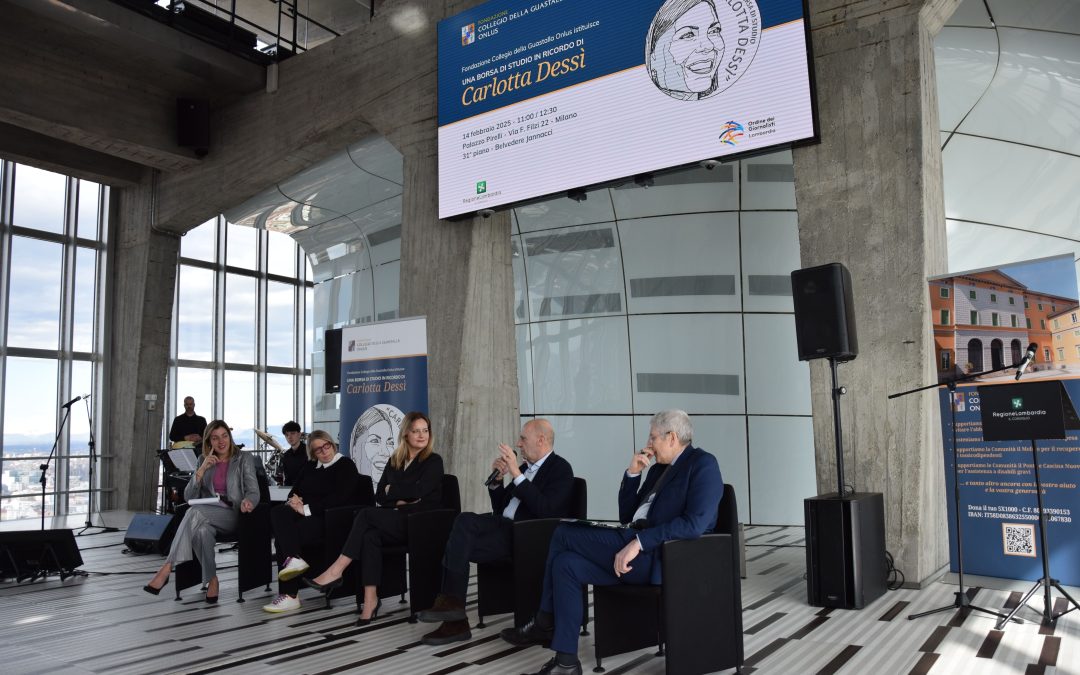
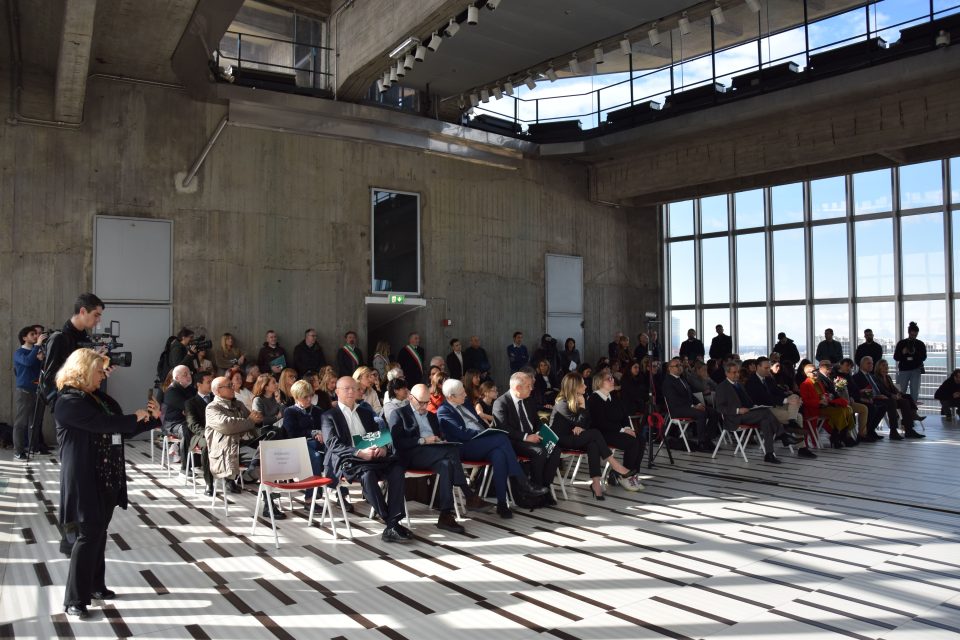
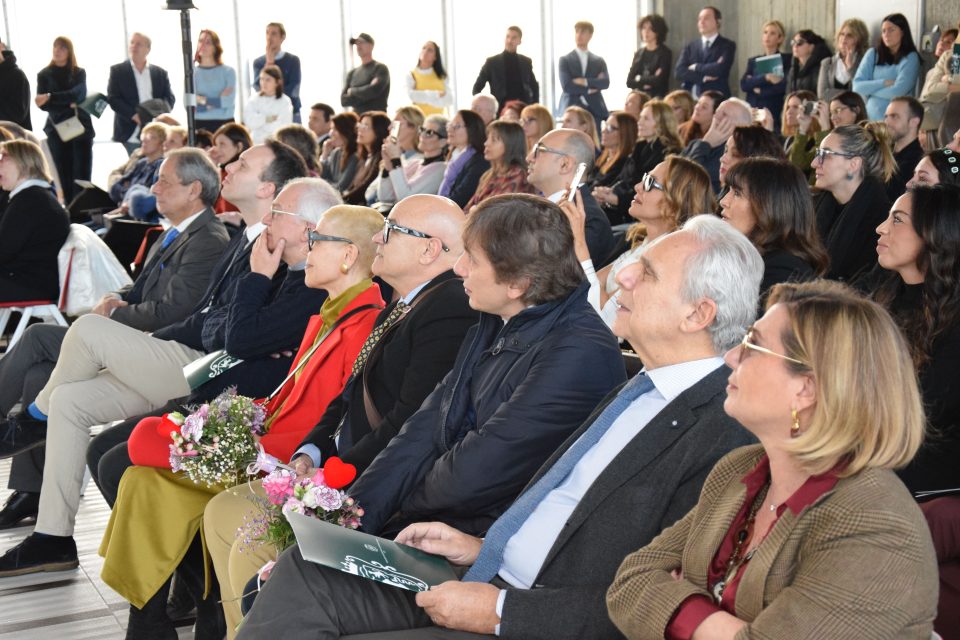
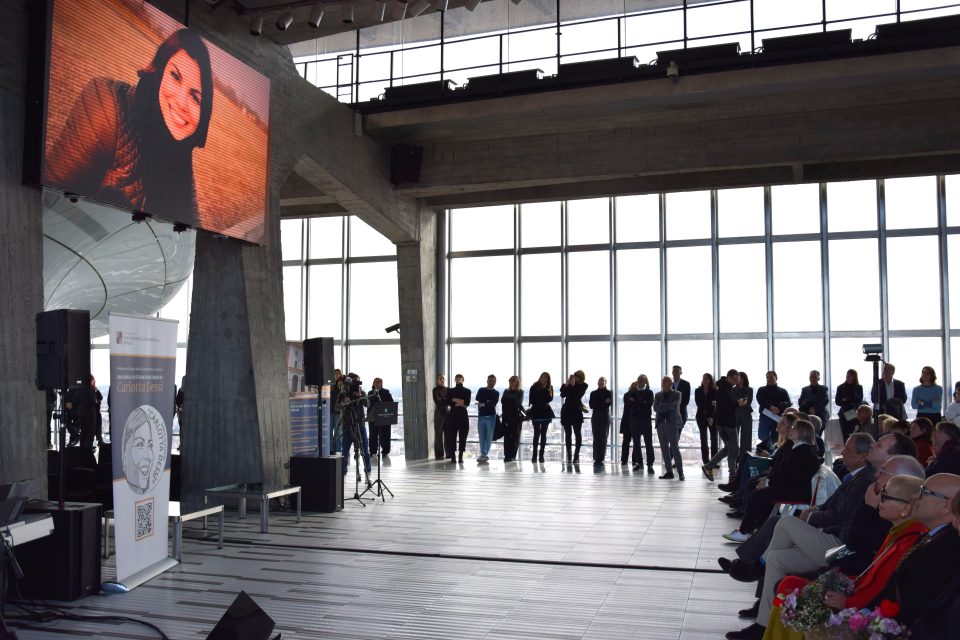
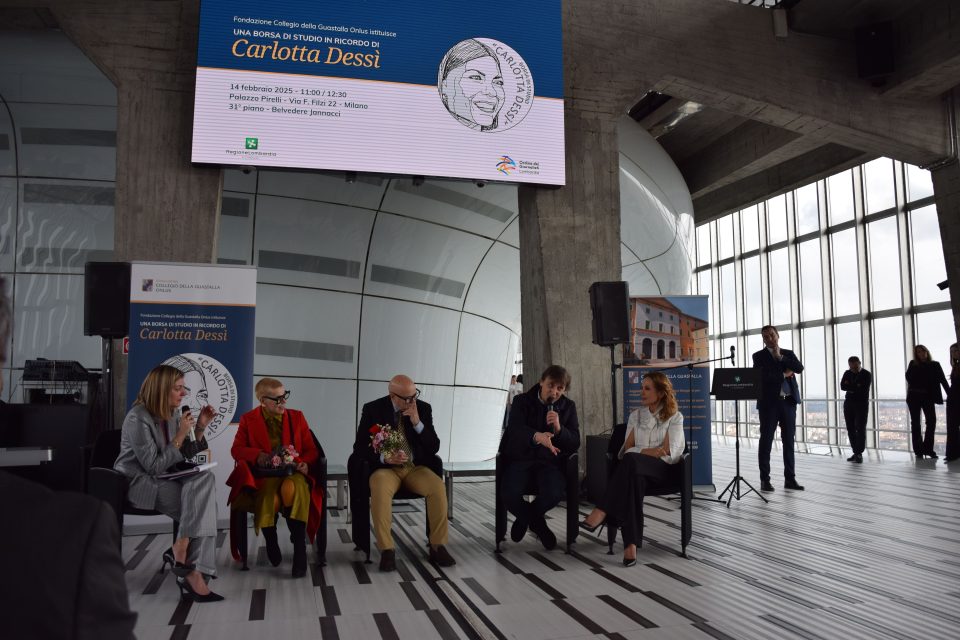
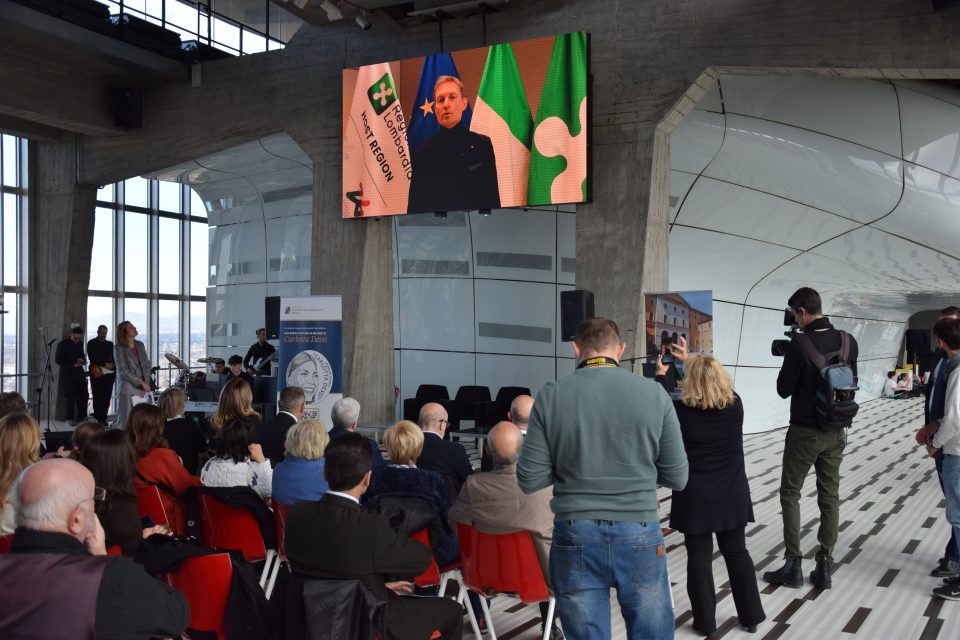
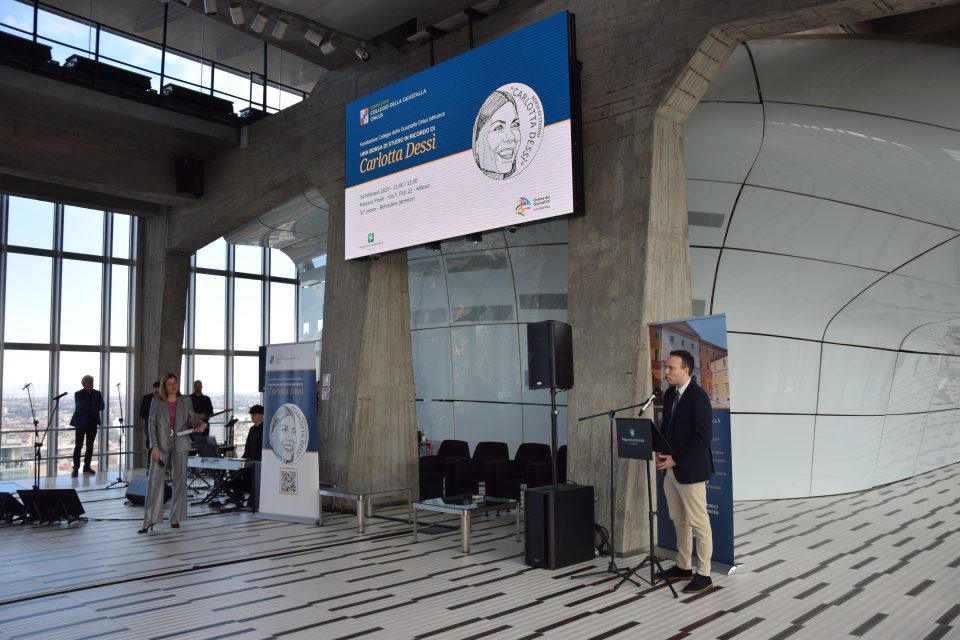
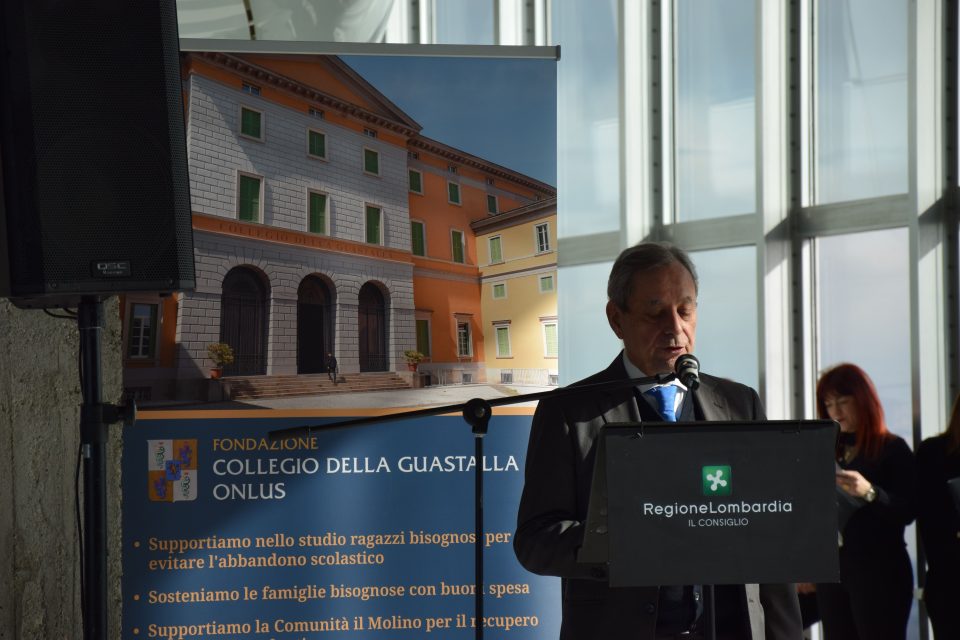
On 14 February at the Belvedere Jannacci in Palazzo Pirelli in Milan, Fondazione Collegio della Guastalla Onlus, with the patronage of the Regional Council of Lombardy and the Order of Journalists of Lombardy, organised a special event to celebrate the memory of Carlotta Dessì, a talented journalist who died prematurely at the age of just 34.
In order to concretely pass on her style and journalistic spirit, the Foundation has set up the ‘Carlotta Dessì’ scholarship, which will award one or more trainees of the ‘Walter Tobagi’ School of Journalism in Milan who will present in the coming months a video-report or an essay inspired by Carlotta’s work, always in defence of the weakest and animated by a deep sense of justice. A seed that will grow over time, transforming memory into concrete opportunities for young people who want to undertake this profession with the same ethical and authentic spirit.
Supporting the Foundation in organising the event was an intense and emotional experience for us. It was a day that was not merely a remembrance of a young communications professional who stood out for her determination, professionalism and humanity, but a concrete opportunity to continue Carlotta’s dream, with the aim of cultivating an authentic journalism that is free and at the service of the common good.
We followed every stage of this project with the energy and enthusiasm that such a significant initiative deserves. The result was a touching event, well attended and full of valuable contributions from journalists, institutions and Carlotta’s loved ones. We are grateful to the Guastalla Foundation for having entrusted us with the story of this initiative, and to the media who helped to give it resonance. But above all, we are proud to have put our work at the service of a project that year after year will contribute to inspiring the journalists of tomorrow.
In the latest episode of FarWest, Salvo Sottile’s programme dedicated to investigations and in-depth analysis aired on Friday evenings on Rai3, the choices made by the Alessandra Todde-led council on energy were also discussed.
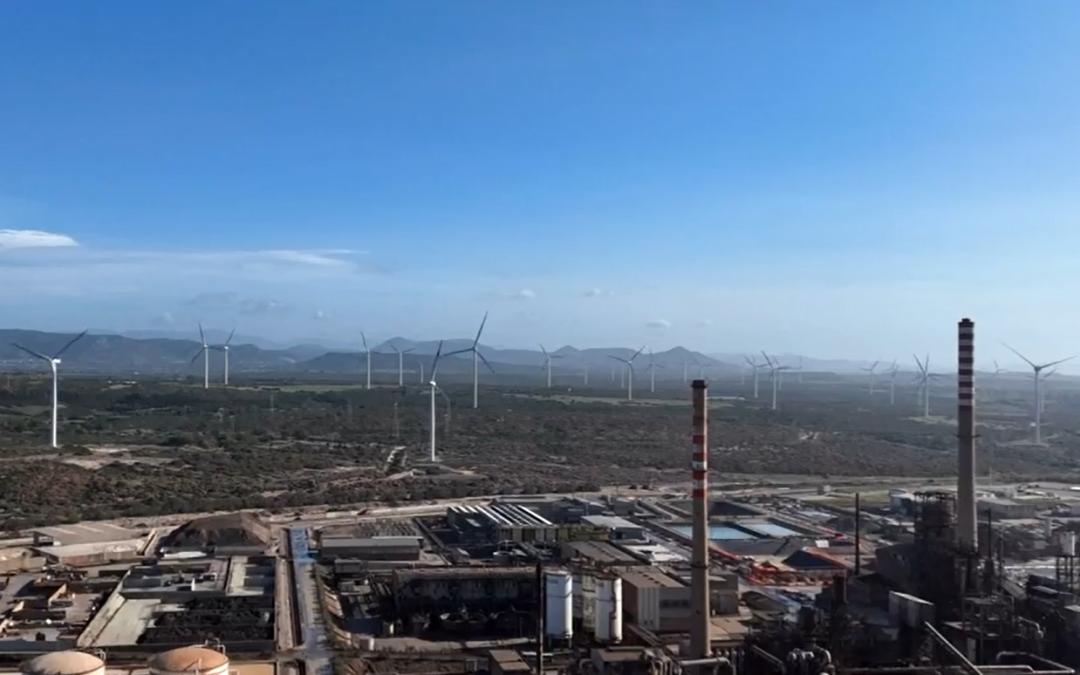
The decision to classify almost 98% of the territory as unsuitable for the installation of renewable energy plants has had serious repercussions even on projects that had already been given the go-ahead.
This was explained by Raffaello Giacchetti, president of GIS – Gruppo Impianti Solari, speaking of “Diomede”, an agri-voltaic park, i.e. designed to reconcile energy production and agricultural and forestry activities. It could have supplied energy to 30,000 homes, but at the moment it is at a standstill.
The energy transition is a necessary step, but it is also an issue that raises many questions and tends to polarise public opinion. We are happy to have helped GIS show the implications of the regional law on suitable areas beyond the simplifications of propaganda.
‘With the closing we have fully realised the vision we set ourselves at launch,’ said Natalino Mongillo, Managing Partner and Co-Founder of EOS Investment Management Group. ‘This raising not only testifies to the soundness of our strategy, but represents a concrete contribution to the energy transition in Europe.’
Eos IM, an independent asset manager specialising in alternative investment funds and focused on energy and sustainable transition, recently announced the final closing of its Eos Energy Fund II. This flagship fund dedicated to energy infrastructure reached a total allocation of EUR 293.4 million, exceeding the initial funding target set at EUR 250 million.
The fund’s success confirms the solidity of EOS IM’s strategy, which is already committed to projects for a portfolio that has reached a capacity of 630 MW in photovoltaic plants, with even more ambitious future targets.
The founder and CEO, Ciro Mongillo, explored these issues in an exclusive interview with Il Sole 24 Ore, in which he illustrated the significant results achieved and shared some anticipations on the group’s next moves.
Future goals include:
Surpass 1 GW of renewable capacity thanks to new investments already in the pipeline.
Promote innovation with sustainable solutions, including agri-voltaic systems, advanced technologies and integrated renewable energy infrastructure projects.
EOS IM’s commitment remains firm: to lead the energy transition in Europe with a clear and ambitious vision, towards a cleaner, sustainable and more accessible future for all.
We are proud to have supported the dissemination of this important milestone, helping to give visibility to the excellence and strategic vision of EOS Investment Management Group.
Last 23 October, on the occasion of Huawei Italy’s Supplier Convention, Consilium received the Outstanding Collaboration & Quality Award, a prestigious recognition that underlines a partnership that since 2019 has been based on trust, collaboration and shared results. The event with partners was held in Rome and followed the celebration of 20 years of Huawei in Italy, an initiative that brought together all those who have believed over the years in this company that has made research and development its flagship for future development.
The award received represents the result of years of commitment and dedication, during which Consilium has supported the company at a difficult time, achieving significant goals and outlining a path that has allowed it to consolidate a strategic partnership, based on activities and strategic consulting.
Simona Bravi, Partner at Consilium, highlighted in her speech Huawei’s great resilience and adaptability, qualities that have enabled the company to stand out over time also thanks to the commitment of its people and their skills.
‘We are honoured to receive this award which represents quality and collaboration, two key values for a solid and successful relationship. We would like to express our gratitude to Huawei for choosing us and for the trust placed in our work.’ – emphasised Simona during the award ceremony, thanking on behalf of the entire Consilium team for the recognition received and the Huawei team for the collaboration.