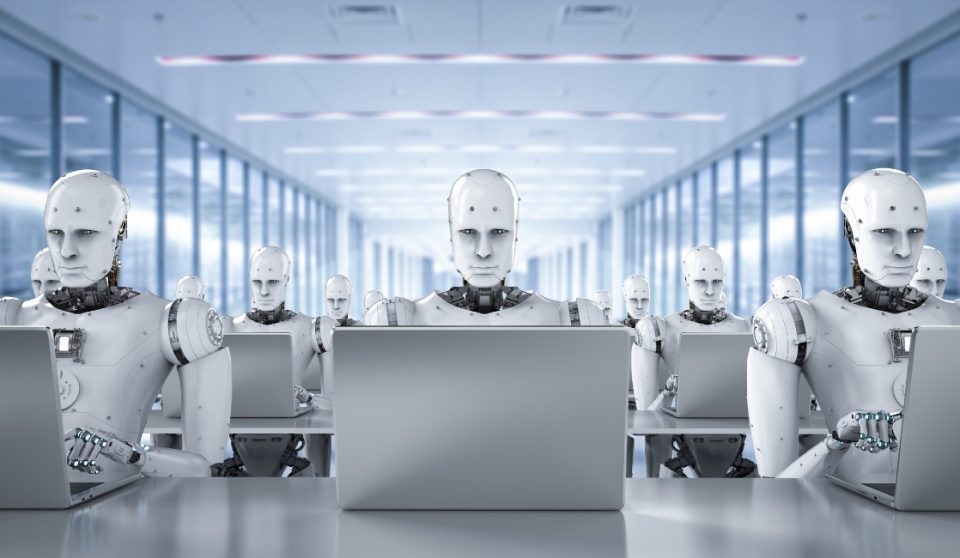
Artificial Intelligence (AI) is shaping the media world, raising questions about issues such as human control and copyright protection. Recently, Tg2 and the New York Times took actions to protect their content from being used for AI training, raising debates on the importance of transparency and compliance in the news industry. This scenario highlights how AI can represent both an opportunity and a threat to the future of information.
OpenAI, a leader in the AI sector, is going through a period of significant change, with a transition from a non-profit to a for-profit model and new fundraising that could value it at around $150 billion. It recently signed an agreement with CDP Venture Capital to support Italian start-ups in adopting AI technologies. This agreement, which follows Microsoft’s investment in Italy, represents an important step for the development of generative AI in our country.
While the media continue to debate these issues, the reality is that the information world still struggles to integrate with this new context, in which the data stored and produced on a daily basis become invaluable resources for training increasingly advanced technological solutions. There is no doubt about the importance of transparency in training such systems, especially now that we are moving towards combining traditional content with detailed personal data. Regulations will be crucial, but with increasing automation in the field of information, it will be crucial to ensure strict controls and validations.
IA e Diritto d’Autore: Una Sfida per la Creatività
The issue of copyright in the field of AI-generated creations is complex and debated. Currently, works produced entirely by artificial intelligence systems do not enjoy legal protection unless there is a significant human contribution. The creative contribution of the human being is crucial to ensure copyright protection, as automatically generated content is considered to lack autonomous originality. A recent Agenda Digitale‘s survey showed how AI is already transforming the journalism sector, improving efficiency and personalisation of content, while raising concerns about the quality of information. Faced with these challenges, the National Council of the Order of Journalists emphasised the importance of human supervision, a crucial element in maintaining high ethical and quality standards.
AI and Corporate Communication: Transparency is the key
The adoption of AI in corporate communication is set to grow, but requires a responsible approach. Consilium Hub and Red Open have launched a programme to integrate AI into corporate communication and assess its transparency. Red Open is a spin-off of the University of Milan-Bicocca, which specialises precisely in the responsible adoption of AI technologies. The aim of this programme is to analyse the particular impact of generative AI in corporate information management. The project, based on the AI ResponsAbility By Design™ model, aims to improve transparency, governance and decision-making processes by promoting a conscious and responsible use of AI in communication.
To address these challenges, Red Open experts developed AI Check & Go™, a self-assessment questionnaire designed to help companies identify strengths and critical areas in AI integration. Through this tool, Consilium was able to check its level of awareness and maturity in the use of AI technologies, obtaining precise indications on how to improve in terms of data protection and accountability. The programme also involved other corporate and institutional entities to create a shared benchmark to help companies evaluate and improve their practices. In this way, agencies are preparing to embrace this technological innovation, contributing to the development of a more effective and innovative communications environment.
Companies that are able to integrate these technologies with responsible approaches will be better positioned to reap the benefits. The ability to monitor and manage the risks associated with the automated generation of content and use of data will be crucial to long-term success. Projects such as the one initiated by Consilium Hub and Red Open represent concrete examples of how it is possible to integrate AI while maintaining human and quality control.
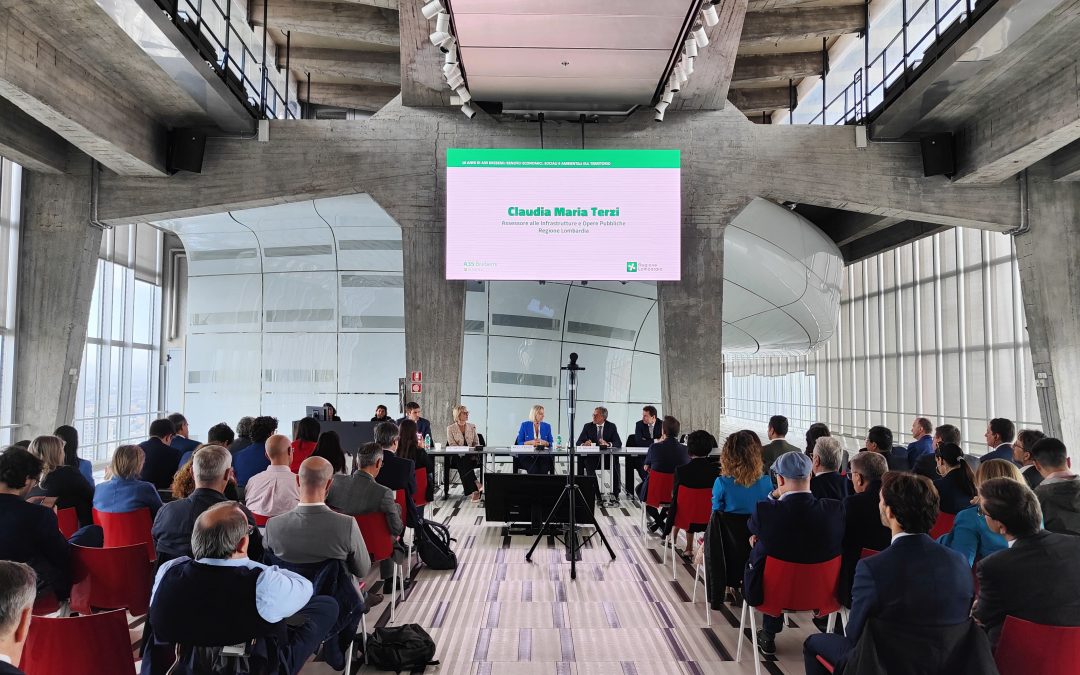
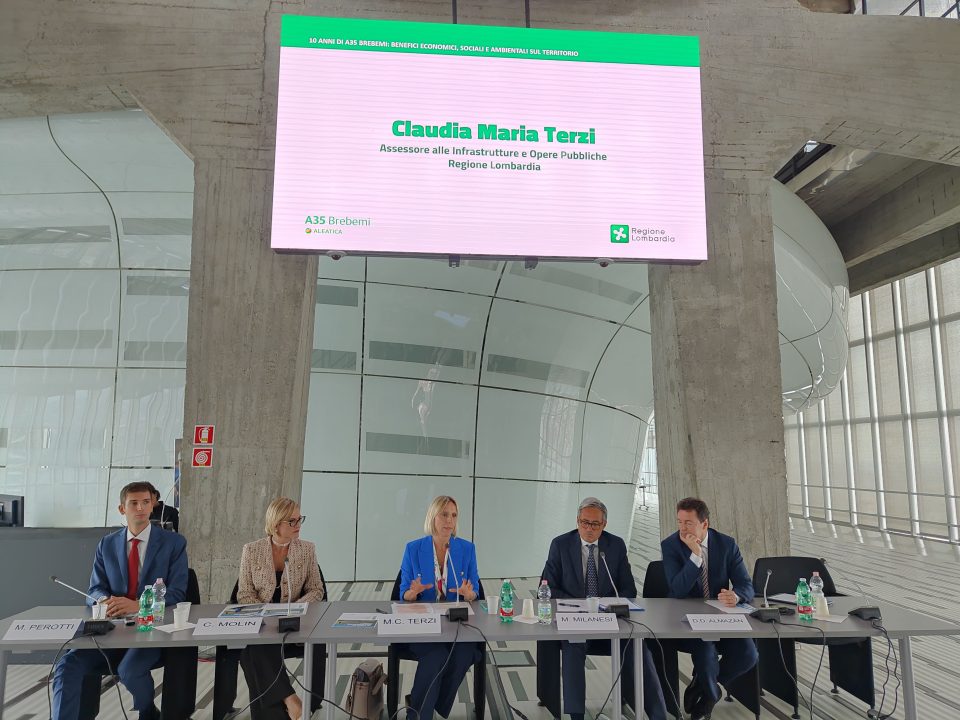
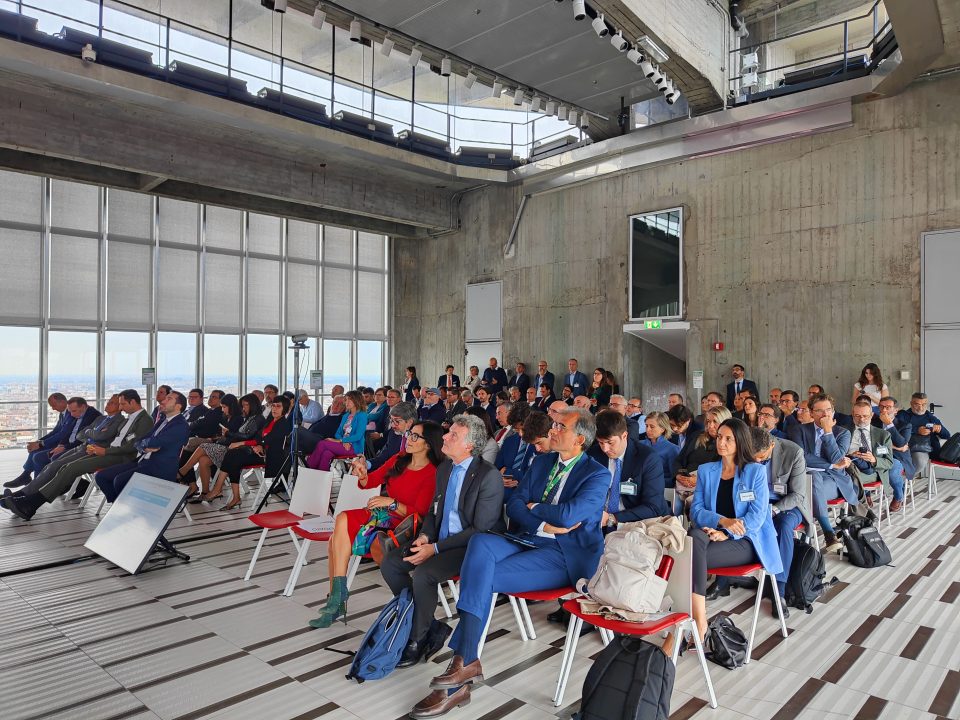
Over the past few days, A35 Brebemi celebrated the milestone of 10 years since its opening with an event at Regione Lombardia, on the 31st floor of the Pirelli skyscraper.
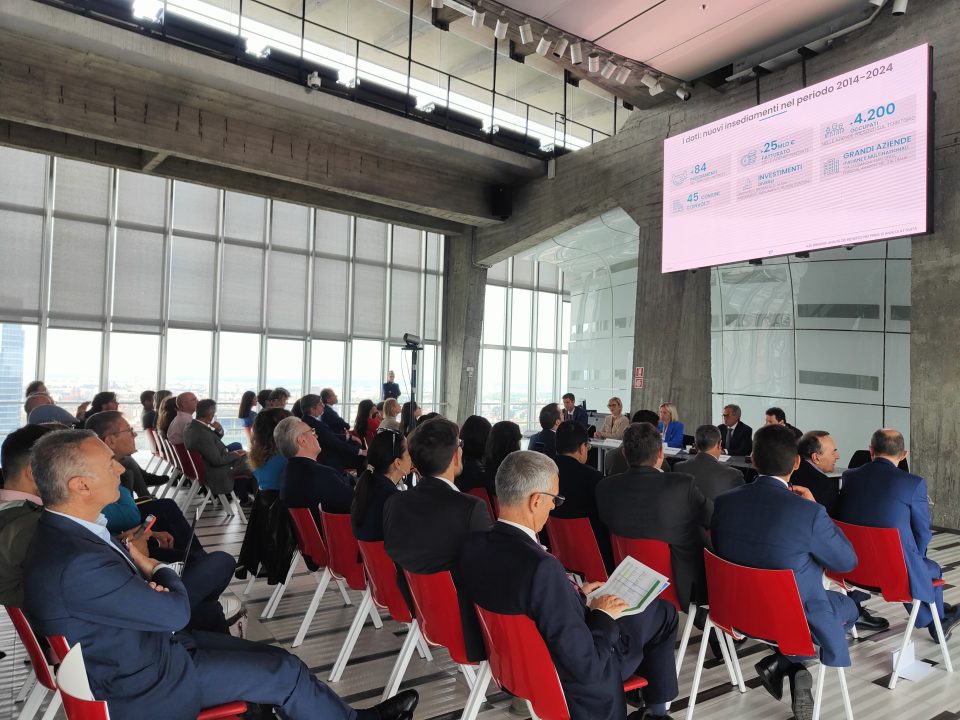
It was an opportunity to present the results of Agici Finanza d’Impresa‘s research on the direct and indirect benefits generated by the motorway from 2014 to today: from efficiency in mobility to sustainable innovation, passing through economic development and growth opportunities for the municipalities involved.
Matteo Milanesi, General Manager of A35 Brebemi, is satisfied with the results: ‘We are a constantly growing motorway with traffic that is well above the national and regional average. As the figures show, A35 will contribute to the growth of Lombardy, the locomotive of Italy, by always providing motorists and lorry drivers with a modern, safe alternative that guarantees certain journey times’.
Brebemi, which over the last 10 years has brought 1.2 billion in direct benefits and favoured the arrival of 84 new companies along its route, continues to represent a model of economic, social and environmental growth, confirming itself as a strategic infrastructure for the Lombardy region.
BTS Biogas is a leading company in the renewable energy sector for over 25 years, which makes know-how its strong point. Hence the continuous commitment to innovation and research, to make processes more efficient and solve critical issues.
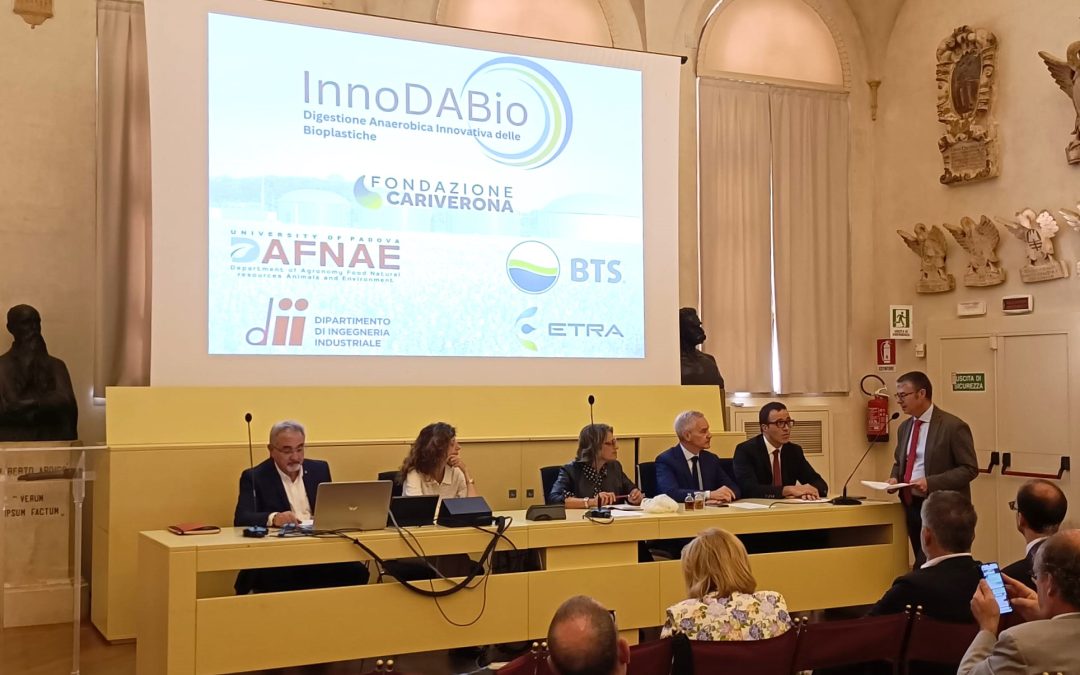
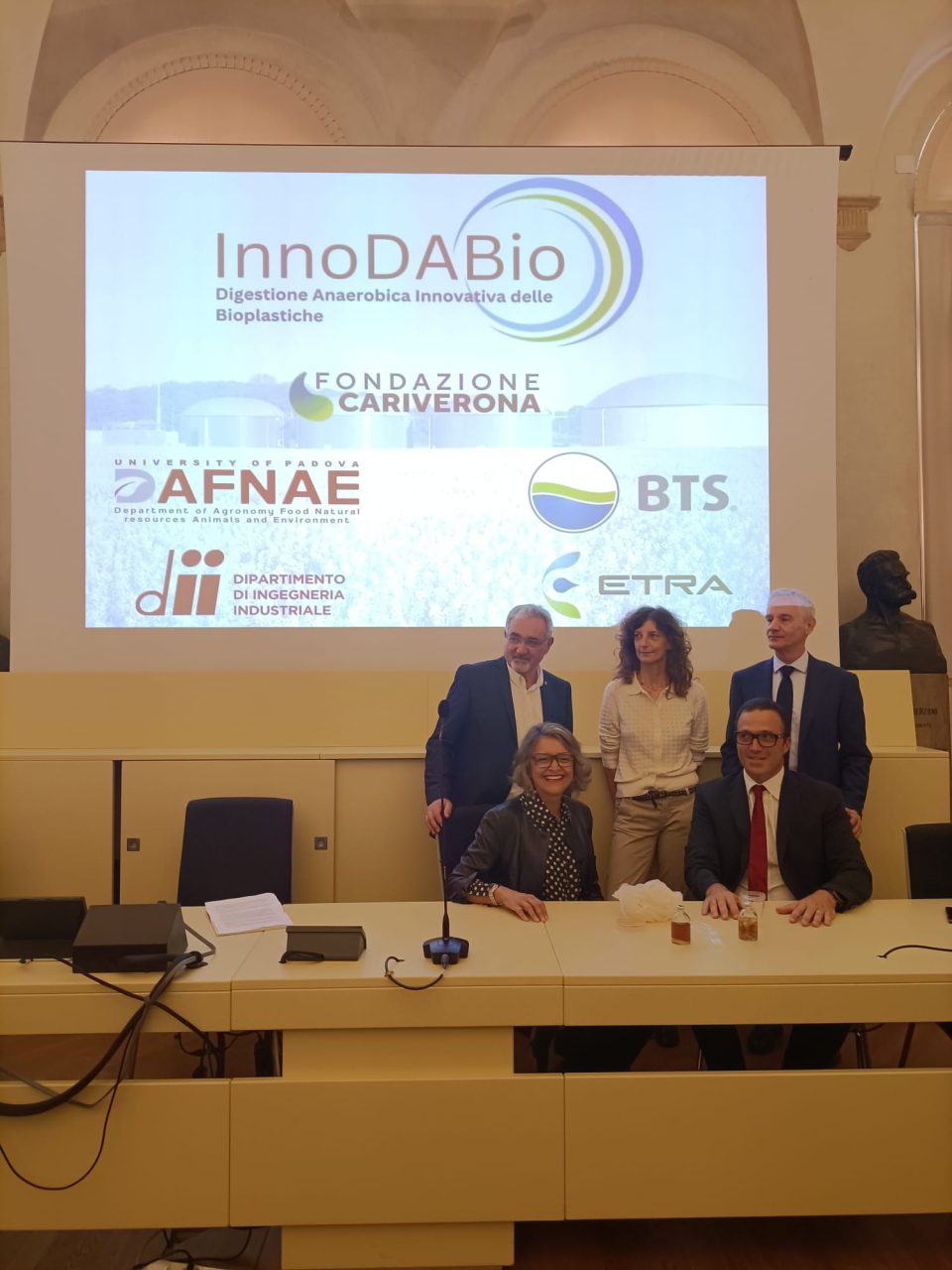
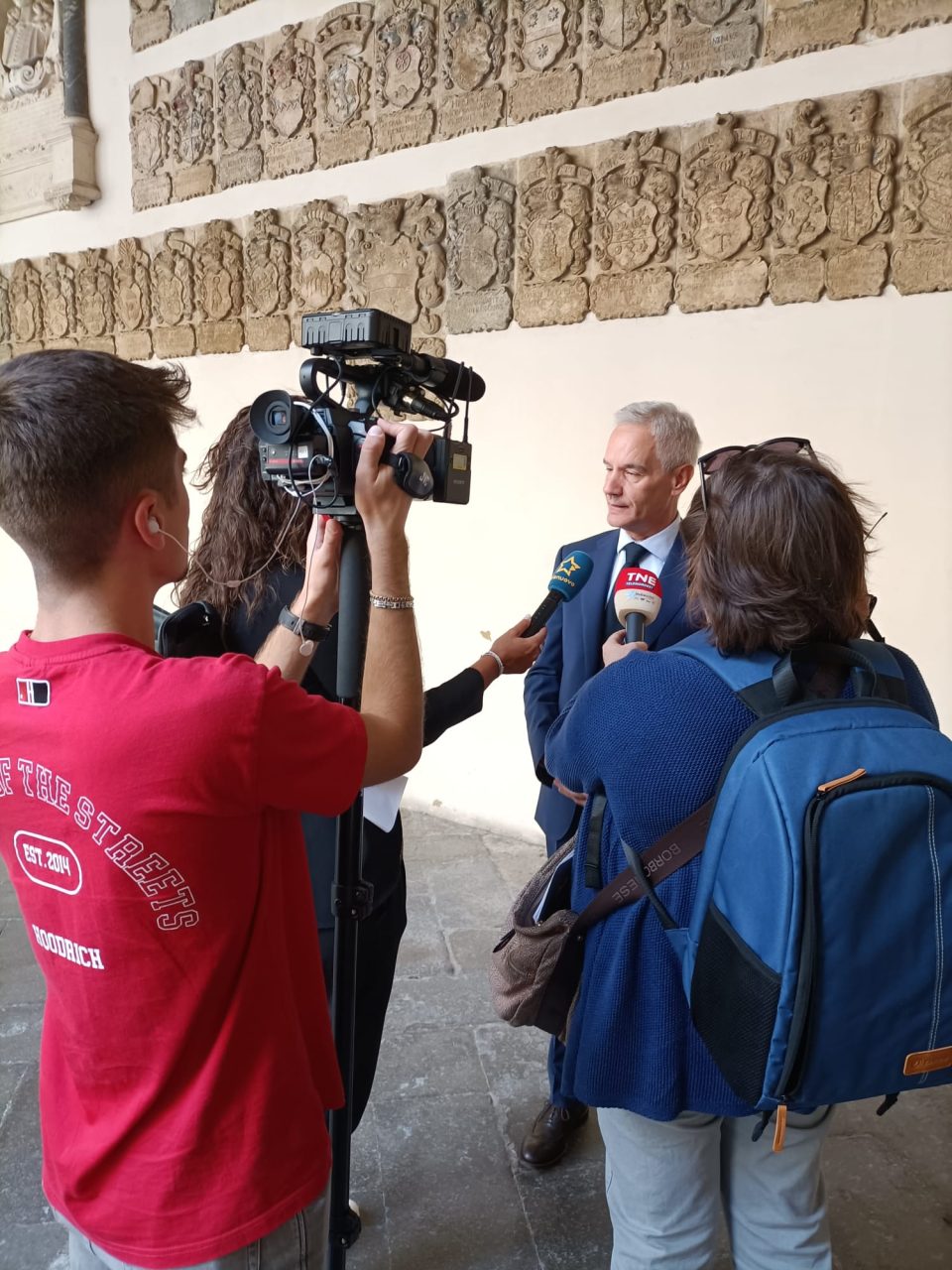
One of the projects being pursued in this field is ‘InnoDaBio’. Presented a few days ago at the University of Padua – one of the partners in the project together with the Cariverona Foundation and the multi-utility ETRA SpA benefit company – the project has a two-year duration and aims to optimise the yield of bioplastics into biogas. The ultimate goal is to reduce waste to zero and produce new energy by using what ends up in the wet waste stream, including that in our homes, more easily and quickly.
‘We are very happy to participate in this project, which will allow us to define innovative methodologies to improve the treatment of organic waste as well as to develop, on a pilot scale, the most efficient digestion technology for the conversion of bioplastics into biogas,’ says Franco Lusuriello, CEO of BTS Biogas. – Know-how is our strength, and it is crucial for us to participate in initiatives that allow us to make progress in this direction.’
At Consilium are happy to support a company that makes the circular economy its business by demonstrating a clear and serious commitment to sustainability.
Are today’s companies in more or less difficulty than in the past? Can crises be avoided by preparing in advance? How can employees be involved in the company vision? How important is it to take care of the mental health of staff? Why is it also necessary to give feedback to managers? What is a coach for?
These are just a few of the issues that Carlo Romanelli, president of Net Working and an occupational psychologist with more than twenty years’ experience in the field of strategic consultancy and corporate training, has tackled over the past year in a column by him in the Giornale delle PMI.
His considerations are an invaluable aid for entrepreneurs as they also highlight aspects that we tend to underestimate, but which impact the lives of organisations every day, regardless of their size and ambitions. In the course of his reflections, he has led readers to critically reflect on the world of work and organisational well-being, through the analysis of concepts such as resilience, mindfulness and gentle leadership.
We are therefore happy to have helped Romanelli and Net Working to create culture on issues that closely affect every adult entering the world of work.
Today, July 12, 2024, the Artificial Intelligence Act (AI Act), the European Artificial Intelligence Regulation that will come into force in Italy on August 2, 2024, was published in the Official Journal of the European Union.
With the AI Act, the EU aims to ensure that the use of artificial intelligence is safe and reliable.
All businesses will have to adapt to the new rules of the Union, the first in the world to regulate the disruptive artificial intelligence revolution, becoming trailblazers and pioneers in the technology that now promises to change organizations and the lives of all of us.
These days, Seeds for the Future 2024, the 11th edition of the project organized and funded by Huawei, is taking place in Rome, during which ample space is devoted to the international Tech4Good program, a group project work designed so that students can better understand the role played by technology in solving complex global problems.
The initiative is taking place for the first time in Europe – previous editions have always been held in China – and is involving about 150 students, including 24 from Italy, from July 1 to 5. The program offers a pathway on technology and innovation and aims to promote merit and excellence among young people in the ICT sector, focusing not only on educational aspects but also on concrete application in the industrial world.
The training also has a section dedicated to competition: part of each day is devoted to the project starting with the identification of a problem and ending with the proposal of a technological solution and the development of a plan for its implementation.
The students, divided into groups, are guided by dedicated mentors who help them acquire the necessary skills to develop their idea and present it effectively, assess the feasibility of their project and follow its execution step by step. Afterwards, the two European finalist groups will have the opportunity to participate in the global competition to be held in China in 2025 (TBD). The three global finalist groups will then have access to prizes and additional advanced coaching sessions with industry experts.
On Friday, July 5, the final day of the project, there will be a presentation of the Tech4Good semi-finalist projects, followed in the early evening by the award ceremony for the finalist projects and the most outstanding students.
Seeds for the Future is Huawei’s main global CSR program. Launched in 2008, it aims to develop local ICT talent, improve technology knowledge sharing and promote greater interest in the digital technology sector. To date, Seeds for the Future has involved 140 countries and seen the participation of more than 18,000 students. In Europe, the program was launched in 2011 and, to date, has involved more than 6,000 students from 37 countries.